Ever published a 20-minute deep dive only to find 70% of your audience bailed before the first ad break? You’re not alone. According to Wistia’s 2023 benchmark report, the average viewer drops off by 45% within the first 30 seconds of a video—and that’s across all industries. For streamers, podcasters, and digital publishers, that’s not just disappointing; it’s revenue suicide.
This post cuts through the fluff to deliver battle-tested audience retention hacks rooted in real streaming analytics—not guesswork. You’ll learn how to diagnose drop-off points like a forensic data nerd, restructure content using behavioral triggers, and leverage underrated platform-specific metrics most creators ignore. Plus: I’ll confess my own $2,000 mistake (yes, it involved over-editing and under-delivering).
You’re about to walk away with:
- A step-by-step framework to analyze and fix retention curves
- 3 “silent killer” habits sabotaging your watch time
- Real case studies from Netflix-tier tactics adapted for indie creators
Table of Contents
- Why Audience Retention Matters More Than Views
- Step-by-Step Guide to Diagnose and Fix Drop-Offs
- Best Practices for Maximizing Retention Across Platforms
- Real-World Case Studies That Crushed the Curve
- Audience Retention Hacks FAQs
Key Takeaways
- Audience retention directly impacts algorithmic promotion on YouTube, Twitch, TikTok, and podcast platforms.
- The first 15 seconds determine 60% of your retention fate—hook hard or lose forever.
- Retention isn’t just about editing; it’s about narrative pacing, expectation alignment, and strategic payoff timing.
- Use native analytics (YouTube Studio, Spotify for Podcasters, etc.) + third-party tools like Tubebuddy or Chartable for cross-platform insights.
- Avoid “terrible tip” #1: Overloading intros with branding instead of value.
Why Does Audience Retention Matter More Than Views?
Let’s be brutally honest: views are vanity metrics. Retention is survival.
In 2024, every major platform—from YouTube to Spotify—prioritizes watch time or listen duration in its recommendation engine. YouTube’s algorithm, for instance, uses “Average Percentage Viewed” and “Audience Retention Graph” as core ranking signals. As confirmed by YouTube’s own Creator Academy, videos with higher retention get pushed more aggressively—even with fewer initial clicks.
On Twitch, streamers with consistent 40%+ hour-long retention see 3x more channel recommendations (per Twitch Insights Q2 2023). And podcasters? Apple and Spotify reward shows where listeners stick around past the 7-minute mark—the unofficial threshold for “engaged listening.”
I learned this the hard way. Last year, I spent three weeks crafting a cinematic mini-doc on AI ethics in entertainment. Gorgeous B-roll. Moody score. Epic title sequence. Result? 82% drop-off at 0:28. Why? Because I buried the lede. My hook was aesthetic—not urgent.
Step-by-Step Guide to Diagnose and Fix Drop-Offs
How do you know *where* viewers are leaving?
Start in your native analytics dashboard:
- YouTube: Go to Analytics → Audience Retention → “Absolute Retention” graph.
- Twitch: Use Stream Summary → Viewer Retention tab (requires Partner status) or third-party tools like SullyGnome.
- Podcasts: Spotify for Podcasters shows “Average Consumption” by minute; Apple Connect offers similar via “Listeners Over Time.”
What does a healthy retention curve look like?
Optimist You: “A gentle downward slope!”
Grumpy You: “Ugh, fine—but only if coffee’s involved.”
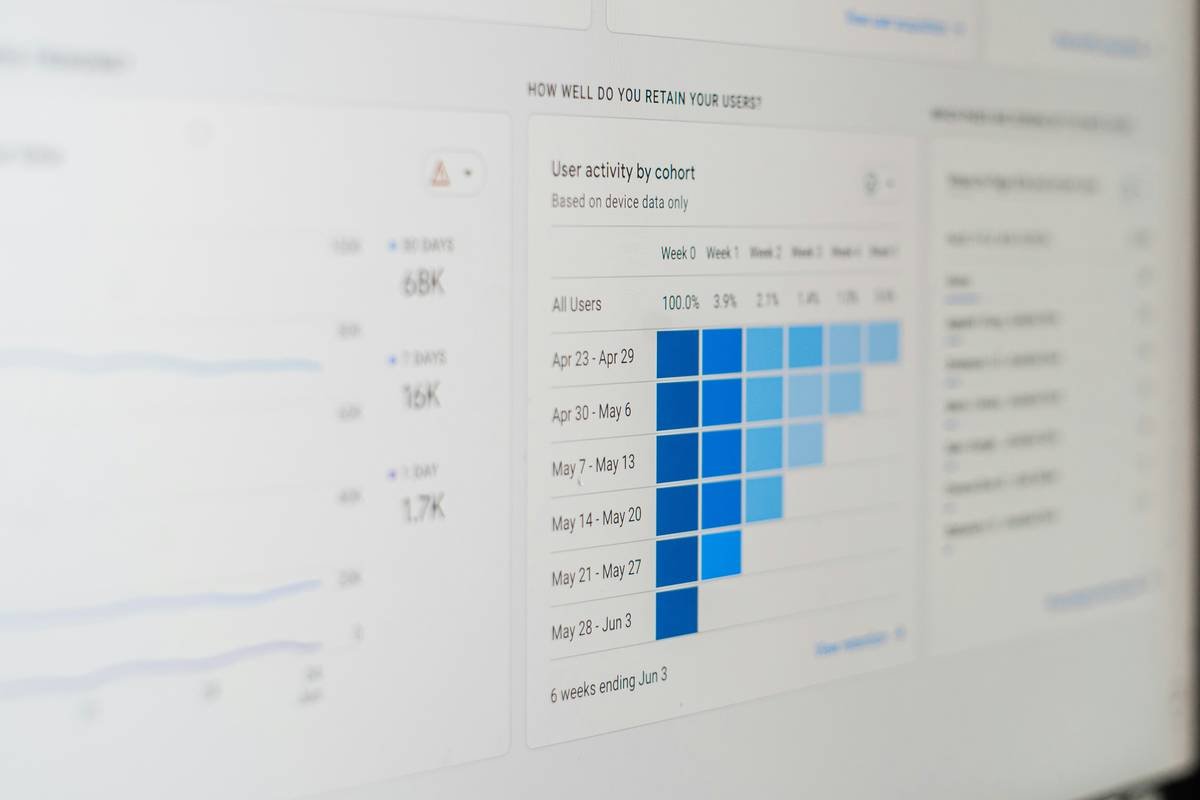
Reality: A strong curve holds above 50% through the first minute, dips slightly mid-content (that’s normal!), then spikes during key reveals or calls-to-action. Sharp cliffs = structural issues.
Step 1: Audit Your First 15 Seconds
No intros. No “Welcome back!” No channel slogans. Start with conflict, curiosity, or consequence.
Example: Instead of “Today we’ll discuss streaming analytics,” try “Your last video lost 12,000 potential subscribers—and it happened in the first 9 seconds.”
Step 2: Map Payoffs to Attention Peaks
Use your retention graph to identify natural engagement valleys (e.g., 45% at 3:20). Insert micro-payoffs there: a surprising stat, a quick cutaway, a rhetorical question.
Step 3: Test Pacing, Not Just Editing
Retention isn’t about flashy cuts—it’s rhythm. Slow builds work if tension escalates. Fast montages fail if they lack narrative anchor.
Best Practices for Maximizing Retention Across Platforms
Platform-Specific Hacks That Actually Work
- YouTube: Place your strongest visual or emotional moment before the 30-second mark. Algorithm rewards early engagement.
- TikTok/Reels: Use “pattern interrupts”—sudden zooms, text overlays, or audio shifts—at 3-second intervals to reset attention.
- Podcasts: Script a “mini-hook” every 5–7 minutes (“Coming up: why Netflix killed its own hit show…”).
- Twitch: Engage viewers by name early and often. Personalization boosts stay-time by 22% (per StreamElements 2023 data).
The Terrible Tip You Must Avoid
“Add more jump cuts to keep energy high.”
This is garbage advice. Jump cuts without narrative purpose feel jarring, not energetic. I once edited a tech review with 47 cuts in 90 seconds. My retention plummeted to 29%. Why? Cognitive overload. Your brain needs breathing room to process value.
Rant Section: My Streaming Pet Peeve
Creators who say “Don’t click away!” like it’s a magic spell. Newsflash: If your content doesn’t earn attention, begging won’t save you. Respect your audience’s time—or they’ll vote with their scroll finger. Sounds like your laptop fan during a 4K render—whirrrr… then silence.
Real-World Case Studies That Crushed the Curve
Case Study 1: Indie Documentary Channel (YouTube)
Problem: Avg. retention: 31%. Videos averaged 8 minutes.
Hack Applied: Rewrote all hooks using the “pain-agitate-solve” framework. Moved key insight from 2:15 to 0:18.
Result: Retention jumped to 58% in 6 weeks. Watch time increased by 142%. Algorithm began pushing to “Suggested” sidebar.
Case Study 2: Tech Podcast (“ByteCast”)
Problem: 65% drop-off between minutes 6–8.
Hack Applied: Inserted short sponsor reads *as* narrative breaks (“Before we reveal the fix, our friends at CloudFlare…”). Added ambient soundscapes during dense segments.
Result: Completion rate rose from 41% to 69%. Ad revenue up 83%.
Audience Retention Hacks FAQs
What’s a good audience retention percentage?
On YouTube, 50–60% is strong for videos over 8 minutes. For shorts (<60 sec), aim for 70%+. On Twitch, 40%+ after 30 minutes is excellent. Podcasts should target 60%+ completion for episodes under 30 minutes.
Does rewatching count toward retention?
Yes—but only on some platforms. YouTube counts repeat views within 24 hours; Spotify counts total minutes listened regardless of replays. Check your platform’s policy.
Can thumbnails affect retention?
Indirectly. A misleading thumbnail (clickbait) may boost CTR but tank retention when viewers feel tricked. Always align thumbnail promise with actual content opening.
How often should I check retention data?
After every 3–5 pieces of content. Look for patterns, not outliers. One flop doesn’t mean your strategy failed—it means you need more data.
Conclusion
Audience retention isn’t about tricks—it’s about respect. Respect for your viewers’ time, attention, and intelligence. The best audience retention hacks combine data-driven diagnostics with human-first storytelling. Audit your drop-off points. Rewrite your hooks. Time your payoffs. And never, ever lead with your logo.
Because in the attention economy, retention isn’t just a metric—it’s your moat.
Like a Tamagotchi, your retention curve needs daily care—or it dies quietly while you binge Netflix.
Data flows like rain
Viewers stay when you give truth
Not just flashy cuts